

As an independent filmmaker, I watched Kerwin Berk’s 130-minute historical epic Kintsukuroi — made on a bare-bones budget of just USD $30,000 — and was so deeply impressed that I decided to take it on for distribution. I also chose to present its world premiere theatrical screening as a benefit event for Judy Kim’s family-owned Gardena Cinema on Saturday, May 16 at 2:30 p.m. As a fellow indie filmmaker, I truly believe audiences deserve to experience not only Kintsukuroi, but also Berk’s debut feature Infinity and Chashu Ramen. In celebration of AAPI Heritage Month, both films will begin streaming worldwide on May 19 via AAM.tv.
I also took the opportunity to chat with Judy Kim — veteran theatrical exhibitor and proud steward of the historic non-profit Gardena Cinema in Greater Los Angeles — about independent cinema, community, and the enduring magic of movie theaters.
When did Gardena Cinema started and how long have you been running it?
JK: Gardena Cinema was built in 1946 as the Park Theatre. It was acquired by my parents in 1976 and I have been running it since my mother’s passing in 2022.
Why are you passionate about being a film exhibitor?
JK: I find that running a venue like the Gardena Cinema is powerful in bringing people together under one roof. Gardena Cinema is one of the few community venues in our neighborhood that allows 700 people to sit in the same room and experience the same thing together. When people express to me their gratitude for having the shared experience, it makes me proud to have been a part of creating meaningful memories for them. It’s like I am creating an imprint on their souls. I feel like a part of our histories are now forever intertwined.
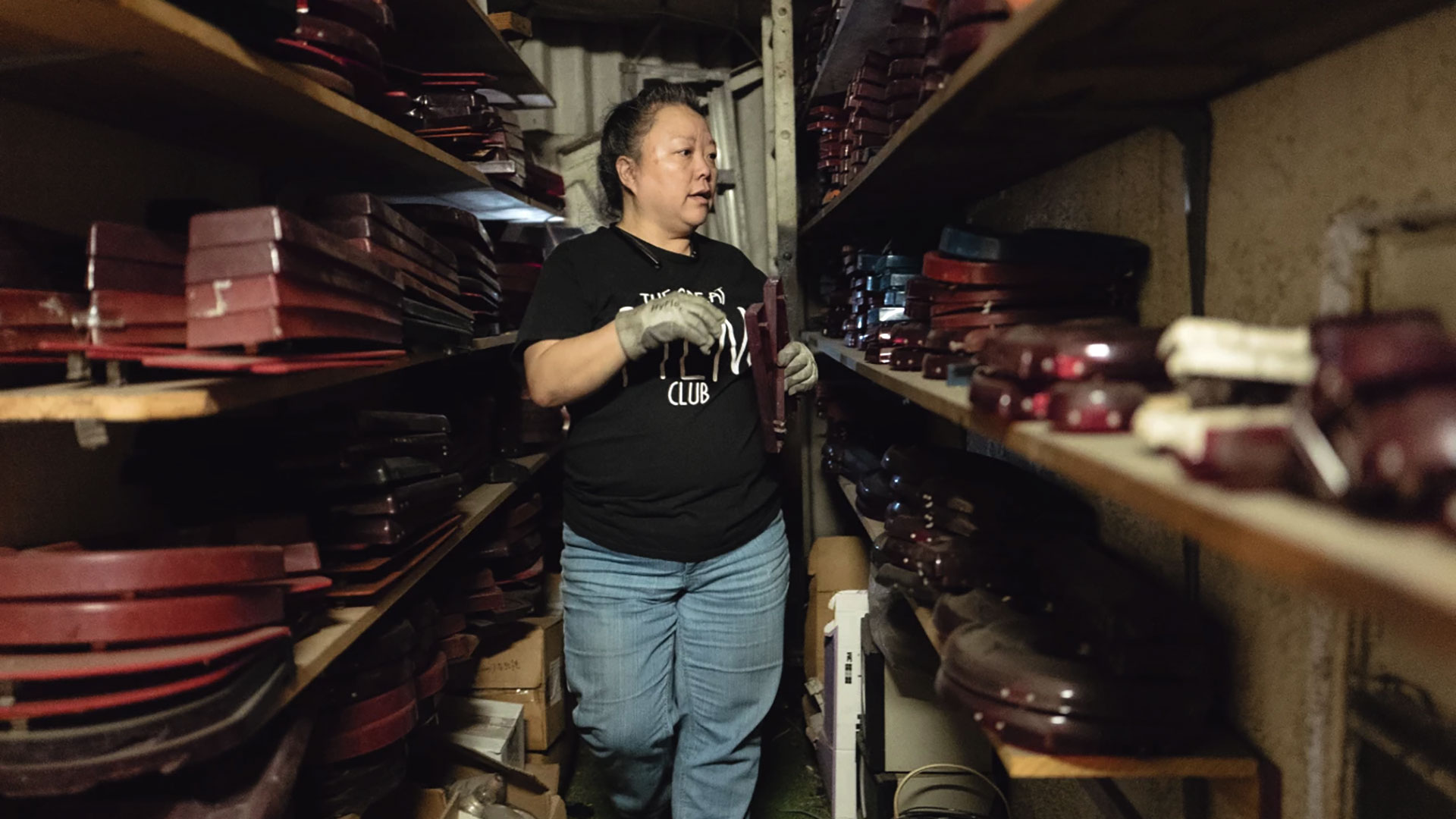
In the letter room of Gardena Cinema, Judy Kim runs Gardena Cinema and prepares for the marquee.
As a veteran exhibitor, how do you see the future of film exhibition in cinema?
JK: I am cautiously optimistic about the future of exhibition in cinema. I think about the history of cinema, which is over 100 years old in the United States, and how movies reflect our society. The peak of cinema attendance was in the 1940s when this theater was built. That was a time when there were no television and the only entertainment you had at home was either listening to the radio or reading a book or a newspaper. Everyone in town walked to the neighborhood cinema to catch the latest movie and experienced it together. The communal experience had a communal cultural reference point for many people. It was very homogenous. When television became widely adopted by American households, it seemed like the death of cinema because people started to stay at home and stopped going to the local cinema. But then something like Carrie or Jaws or Star Wars excited the audience to go back to the movies again and then they adopted the habit of movie-going again. And then comes the VHS tape player and when it is widely adopted, the death of cinema seemed imminent. We keep going through these possible cinema death cycles: DVDs, Bluray discs, Netflix, streaming, etc. But we eventually got back to the cinema. I think people will always love the shared experience and cultural reference points in attending cinema. Good movies are meant to draw in massive audiences to trigger the movie-going habit again. It seems to be working post-COVID starting with Barbie and Oppenheimer. The Super Mario Bros. movies, the nostalgia for Michael Jackson, the amazing storytelling of award winning filmmakers like Sean Baker, Paul Thomas Anderson, Francis Ford Coppola, Martin Scorsese, Stanley Kubrick, and so many others. I think every human being wants to make a mark on history or somehow capture history so it will be remembered and appreciated. It’s why we share stories of our families, our friends, and our lives. We love diversity because it gives flavor to life. But we also seek homogeneity because it anchors us with roots and makes us feel grounded. That’s what cinema brings us: a combination of diversity with homogeneity. Such a wonderful balance of flavor and familiarity.
Tell us a few of your favorite movies growing up.
JK: When I was young, I remember my father taking me to watch THE EMPIRE STRIKES BACK. It was an exciting movie and so very special to us because we never went to other movie theaters. Even though we owned and operated a movie theater, we never attended other cinemas when I was a child. We showed Spanish language films, so I never saw the commercial English language movies that my classmates saw. My parents worked so hard. They only worked and slept. I never saw them really relaxing or enjoying life until we saw EMPIRE STRIKES BACK. When I was a bit older, I watched E.T. and that changed my life. I remember watching the Academy Awards in 1982 and being devastated by the fact that GANDHI won best picture over E.T. I can still remember it today like it was yesterday. I felt like the Oscar was stolen from Steven Spielberg as a 12-year old child. So when we showed the Oscars here this year and a little girl became upset about the K-POP DEMON HUNTERS was not even among the nominees for Best Feature Film, I totally felt her pain. Some day, that little girl will grow up and make her mark on the world because she was devastated by that disappointment. As I grew older, I became enthralled by the 1980s teen movies like FERRIS BUELLER’S DAY OFF and THE BREAKFAST CLUB. One of my favorite teen movies is I WANNA HOLD YOUR HAND directed by Robert Zemeckis. It was a masterful first feature film that perfectly captured American teen spirit and the go-getter attitude of what teens could accomplish with teamwork. As an adult, my tastes started to diversify into JURASSIC PARK, JERRY MAGUIRE, and HENRY AND JUNE. My father said that as a 2-year old child, I loved A CLOCKWORK ORANGE! That soundtrack was the best. I used to climb up the sofa in the projection booth at the Cove Theatre (later the Bijou Cinema) in Hermosa Beach to watch the movie when my father was the projectionist there.
What are your thoughts about Kintsukuroi, the film benefiting Gardena Cinema world premiering theatrically on Saturday May 16 at 2:30 pm?
JK: I am really excited to be part of the theatrical premiere of the movie. I feel it is important to preserve the stories of Executive Order 9066 because the youngest generation to experience that part of our history are getting older and dying off and I am afraid we will lose the stories with them. I am especially grateful to the filmmakers for donating all the proceeds to the Gardena Cinema as part of our fundraising efforts.
What is your point of view being Asian American and being a film exhibitor at the same time?
JK: As a female Asian American film exhibitor, I feel a responsibility to support women and independent filmmakers. As long as we can figure out a win-win situation, I try to be supportive. I feel blessed to be able to do so.
What advice you would give to filmmaker who want to show their work at your cinema?
JK: I would suggest that they study filmmaking by watching lots of films and paying attention to how other filmmakers try to tell a good story. Start making short films and submit to our monthly film festival THE MOVIE SCREENERS CLUB and meet lots of other filmmakers. Networking with other early career filmmakers is very important for mental health and for emotional support, and sometimes some friendly competition can help kick up one’s game. Always have a positive attitude and look for the good in every situation, despite feeling down. Nobody wants to work with a depressing person or a complainer. Those who are positive are the ones with charisma and attract people who want to help.
Get tickets for the world premiere theatrical screening of Kintsukuroi at Gardena Cinema