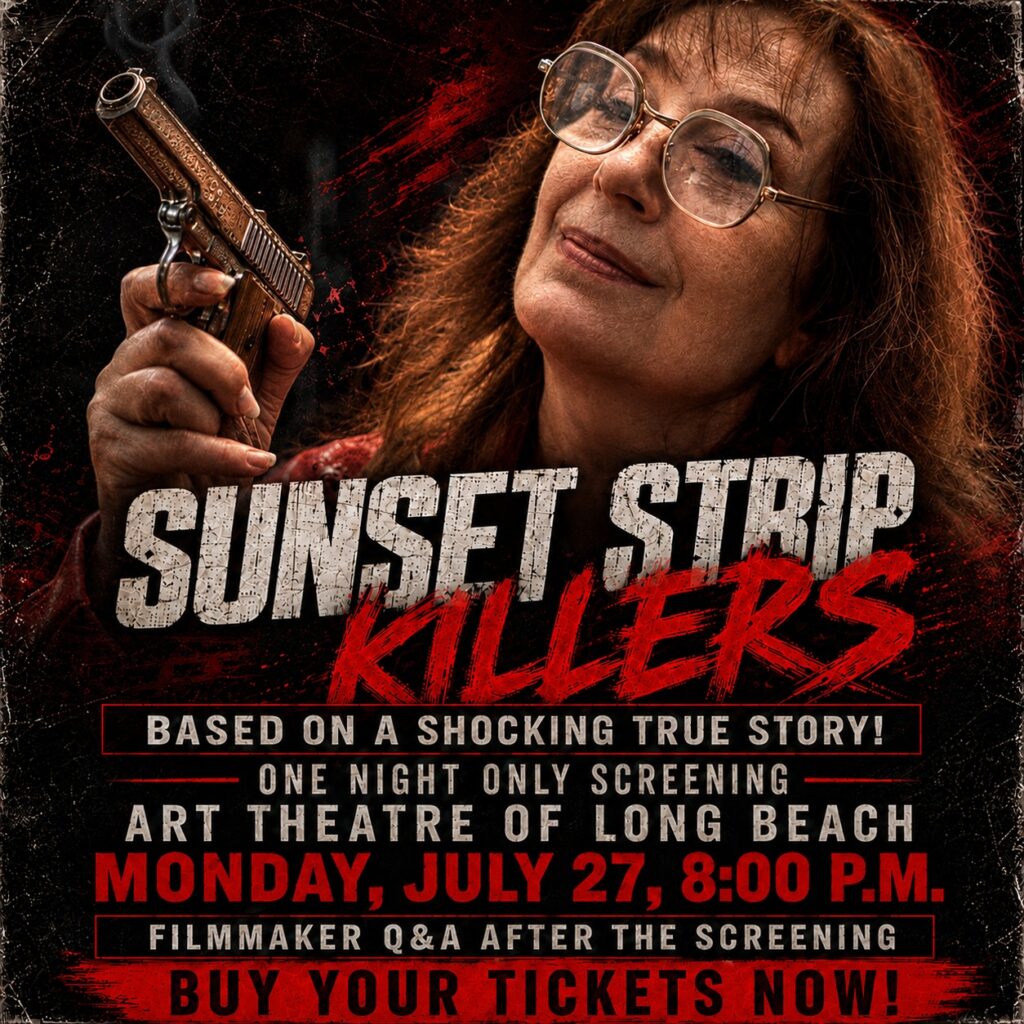
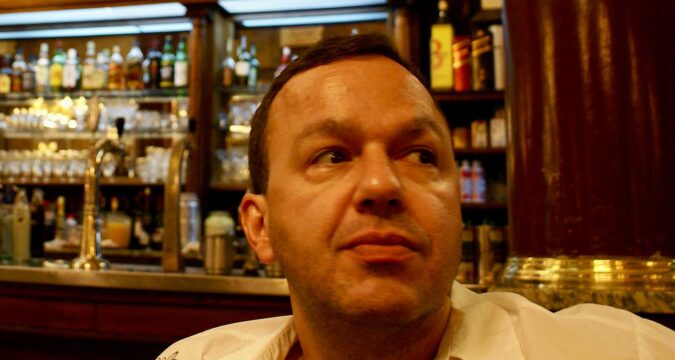
True crime auteur Chuck Parello’s long-gestating script Sunset Strip Killers has finally been brought to the screen by director Chad Ferrin. The film will have a special one-night screening at Long Beach’s Art Theatre. Buy your tickets now! The film will then receive a worldwide release through Dread, Epic Pictures’ specialty label. Chuck and I first met at the 1997 Berlinale, where we were both trying to sell our debut features at the European Film Market. Nearly three decades later, it’s a real pleasure to sit down with him and talk about his latest passion project—and the long journey that brought it to life.
It’s been decades since you wrote Sunset Strip Killers. How did it finally get into production?
CP: It’s been a minute! Producers circled the project for years, but like most films, momentum would stall, and I’d lose touch with them. The script was a little rough for some people, but what do you expect from something called Sunset Strip Killers?
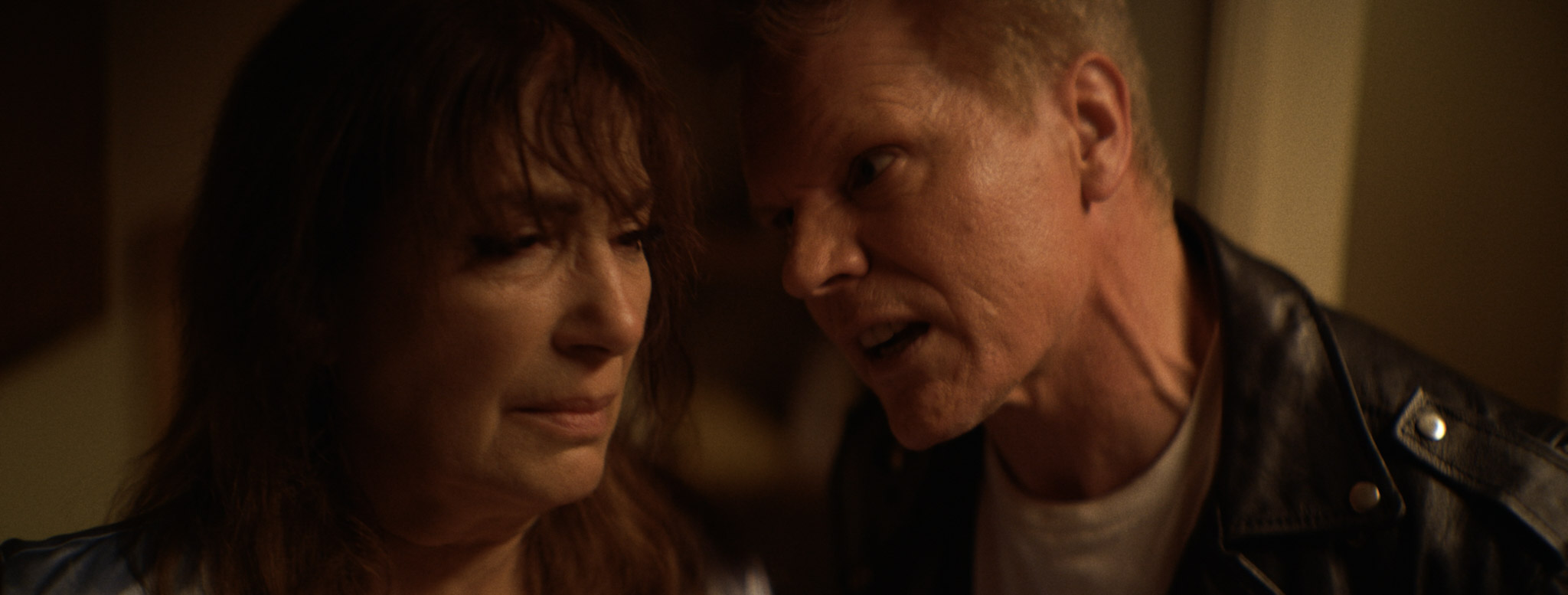
Susan Priver (left) and Max E. Williams (right) as Carol Bundy and Doug Clark, the notorious Sunset Strip Killers
I always got enthusiasm when I pitched it, but turning enthusiasm into a signed check is a different challenge. I also assumed casting Carol Bundy would be easy. It’s a great lead role for an actress over 25, and those don’t come around often. Instead, the part scared people off. Actresses who’d happily do stylized, fictional violence balked at playing someone who’d actually killed.
True crime has had a resurgence lately, and that opened the door. Chad Ferrin, who’s built a strong run of true crime films, was looking for his next project after Dorothea, and Sunset Strip Killers was a good fit.
How did you decide Chad Ferrin was the right director? I always assumed you’d direct it yourself.
CP: By the time the film finally got made, I’d become more interested in other stories I wanted to direct myself. I’d already directed The Hillside Strangler, which covered similar ground: two killers preying on women in LA in the late ’70s. I didn’t feel the need to repeat myself. Not only that, but I knew Chad was talented and trusted him with the material.
After years spent researching and writing about Carol and Doug, what do you find most compelling about their relationship?
CP: Carol’s complicity is what fascinates me most. Doug Clark took a meek, mild-mannered nurse and turned her into a killer. But you can’t turn someone into something they don’t already have in them, at least a little. That’s the line Carol walked, between victim and willing participant, and I think Susan Priver captures that balance brilliantly in the film.
Do you think Carol would have become a killer without Doug? What drove her psychologically?
CP: Carol had a brutal childhood. Her mother died, her father raped her repeatedly, and she later turned to prostitution partly out of loneliness. She went through three abusive marriages and had just come out of a bad relationship with her building superintendent when she met Doug. None of that excuses what she became, but it makes her descent more understandable.
On the surface, she seemed calm and sweet, a little odd, the kind of person you’d meet and forget. But she likely had anger in her already. I doubt she’d have become a serial killer without Doug’s influence, though. He was younger, and good-looking, and she saw him as her last shot at happiness. So she didn’t just go along with his crimes; she tried to out-crazy him to prove she was just as hardcore. A seriously bad call.
You’ve said you don’t even like horror movies, yet you keep making true crime films that get grouped with them. How would you describe your body of work?
CP: It’s not that I dislike horror; it’s that most of it isn’t excellent. And when a horror film is good, it gets sequels or remakes to death. True crime is my genre because real stories are more disturbing than anything a screenwriter could invent.
My career started when I rescued Henry: Portrait of a Serial Killer and got it a theatrical release. After working with its director, John McNaughton, I directed the sequel, and then went on to make biopics about Ed Gein and the Hillside Strangler. I’ve tried pitching projects outside the serial-killer space, but there’s always resistance, since this is what people know me for. I’m fine with that. These stories and characters never stop being fascinating to me.
Who’s your favorite actor you’ve worked with, and why?
CP: Steve Railsback, hands down. He played Ed Gein in my film Ed Gein, and his intensity was something else. He cared deeply about the role. I’d be working on the script at 3 a.m., and the phone would ring, and I’d know without answering it was Steve. Getting to work with someone who’d played both Charles Manson and Ed Gein to such acclaim felt like a privilege. He’s a huge talent and a genuinely great guy.
Who’s your least favorite person you’ve worked with? No need to name them LOL!
CP: I won’t name names, but I’ll say this: they kept apologizing to their other cast members and the crew for their behavior on camera. That’s unnecessary, since everyone knows you’re playing a part. It’s make-believe, even when it’s based on a true story.
What’s next for you?
CP: I’m about to direct Let Her In, a script I wrote based on another true crime story. Susan Priver, who played Dorothea Puente in Dorothea and Ed Kemper’s mother in Kemper (both directed by Chad Ferrin), will star, and Chad’s producing.