When I heard that fellow filmmaker Colette Johnson-Vosberg was turning her lens on Canada’s queer country music scene for her third LGBTQ+ documentary feature, I knew I had to learn more. As a queer filmmaker myself, I was intrigued by the stories behind the songs—and the artists carving out their place in country music. A week ahead of its October 17 world premiere on OUTtv, I sat down with Johnson-Vosberg to talk about her latest film, Don’t Fence Me In: Queer Country.
How did the idea of Queer Country first came about and how did you develop it into a full-fledged feature documentary?
CJV: While researching another music documentary I’m developing, I came across an article highlighting Canadian LGBTQ+ country artists gaining ground in a traditionally conservative genre. It sparked my interest and sent me down a rabbit hole of discovering queer country performers.
I grew up listening to country music. My dad was an electrician by day, but his passion and side job were playing guitar with friends, family, and bands. My mom sang, and our home was filled with records by artists such as Merle Haggard, Jim Reeves, Les Paul, and Patsy Cline.
When I lived in Edmonton in the early 1980s, k.d. lang burst onto the music scene, and I became an immediate fan. I knew she was a lesbian, but that mattered far less to me than her music. I bought her first album—which I still own—and followed her career, buying more of her work along the way. I empathized with the lack of acceptance she sometimes faced from industry peers and never understood why her sexual orientation mattered when her voice was so extraordinary.
Pre-interviews help me discover the documentary’s focus. I begin with a simple story arc: Who are these LGBTQ+ country artists? What obstacles have they faced, how have they overcome them, and what lies ahead? As I listen, their personal experiences and musical talents bring depth and richness to the story.
OUTtv Network was receptive to my initial outline and commissioned the project, so off we went to make the documentary.
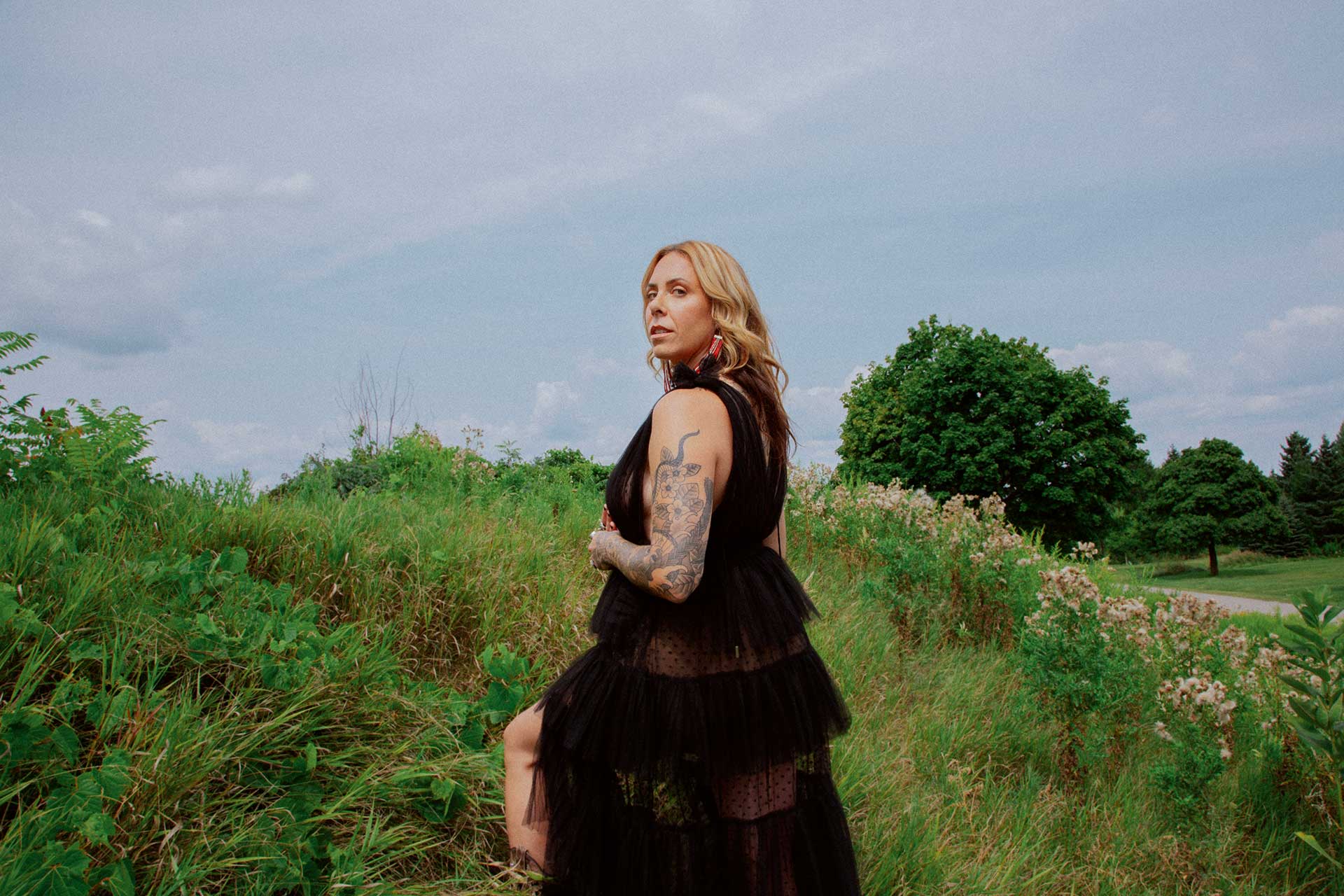
Artist Amanda Rheaume featured in Don’t Fence Me in: Queer Country
Can you talk about the different LGBTQ+ Canadian country artists that you feature in the documentary?
CJV: I worked with music industry expert Brian Hetherman and the Canadian Country Music Association to connect with artists. Through that outreach, I got in touch with Shawnee Kish, Amanda Rheaume, Bobby Dove, Drake Jensen, and Patrick Masse. We also approached k.d. lang for an interview, but unfortunately, we weren’t able to secure her participation.
During the pre-interviews, I wanted to understand what motivated each artist to perform, why being openly queer in the music industry mattered to them, and which struggles and achievements had shaped their lives. I also wanted to know why they felt it was important to share their stories. It quickly became clear that each artist had followed a unique path.
It was important to include Indigenous perspectives in the documentary, particularly because country music is so deeply woven into many Indigenous communities and traditions. Shawnee is Two-Spirit and Mohawk, while Amanda has Métis roots. Learning more about their heritage and having the opportunity to include their stories was a privilege.
Originally, I expected barriers within the music industry to be the documentary’s central theme. But as the interviews unfolded, I realized that the greatest obstacles often came from certain audiences, family members, and, most importantly, the artists’ own internal fears. The film evolved into an exploration of their personal journeys: overcoming the fear of being gay, surviving physical abuse, challenging tradition, experiencing personal transformation, and becoming who they are today. For Patrick, that journey also led to LGBTQ+ rights and HIV advocacy. Throughout the documentary, we showcase and celebrate the artists’ music and talent. It has been a genuine joy to have their songs in my head—and now in my playlists.
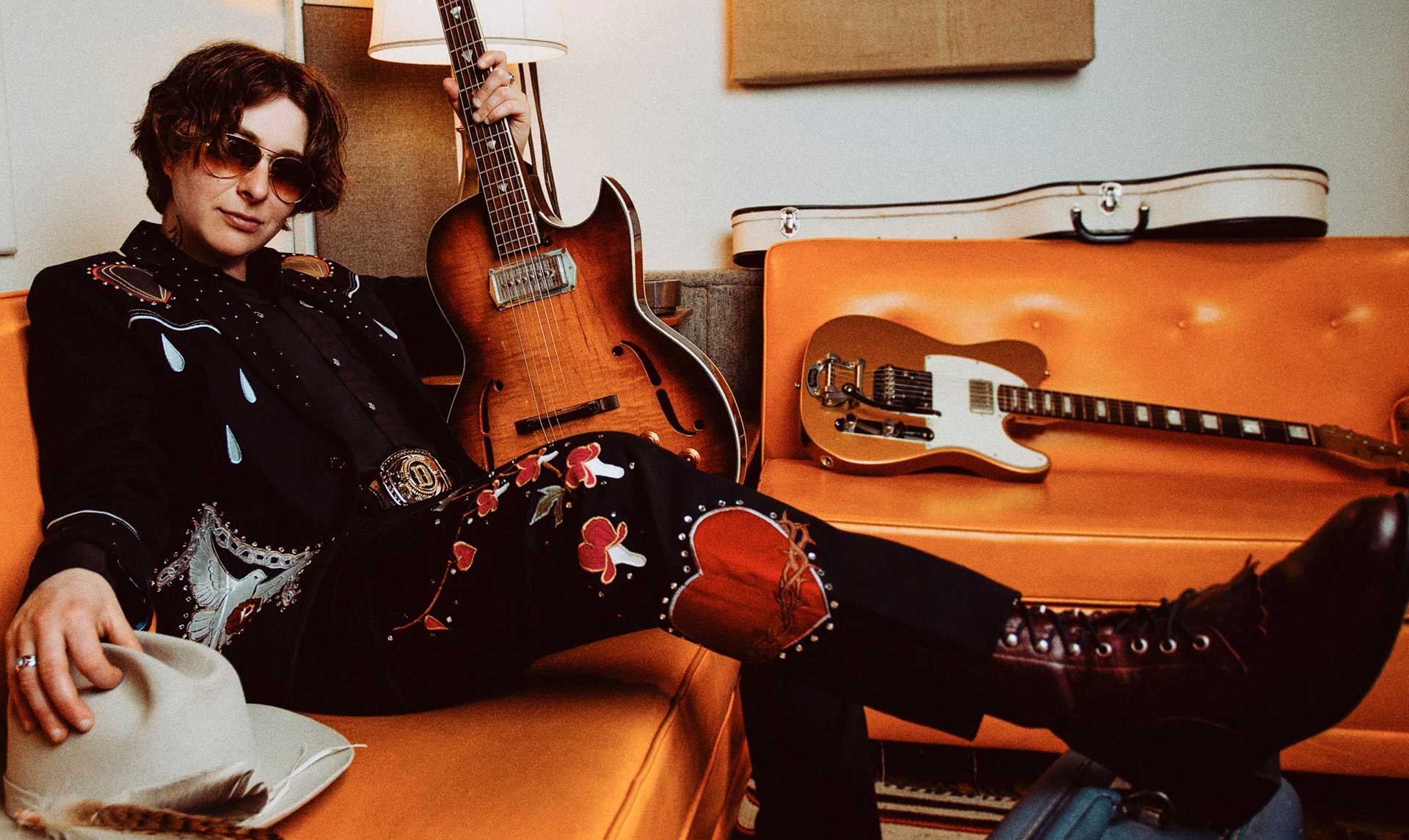
Artist Bobby Dove featured in Don’t Fence Me in: Queer Country
Were there any new challenges you face making a music documentary as a filmmaker?
CJV: I had cleared music rights before, but never on this scale. When I first spoke with the artists about licensing their music, the process seemed as though it would be fairly straightforward. Bobby Dove was the only artist who had written and published their own music, which made the master-use and publishing agreements relatively simple. The other artists had either collaborated with co-writers or performed songs written by other composers. Most owned their master recordings, but the publishing rights still had to be secured through agents or publishers. I knew licensing a k.d. lang song would be complicated, but I hadn’t anticipated how challenging it would be to work with large publishing companies, move the licenses through the approval process, and obtain invoices so they could be paid.
I also learned that licensing a song does not necessarily give you the right to use it however you want. For example, our license for Cole Porter’s “Don’t Fence Me In” limited its use to specific contexts, such as the opening or closing credits. When I later wanted to include a short excerpt within the documentary itself, we needed additional permission and had to pay another fee. Because the songs were licensed under a favored-nations arrangement, that extra fee increased the rate for the other songs as well. It was a significant learning curve for me.
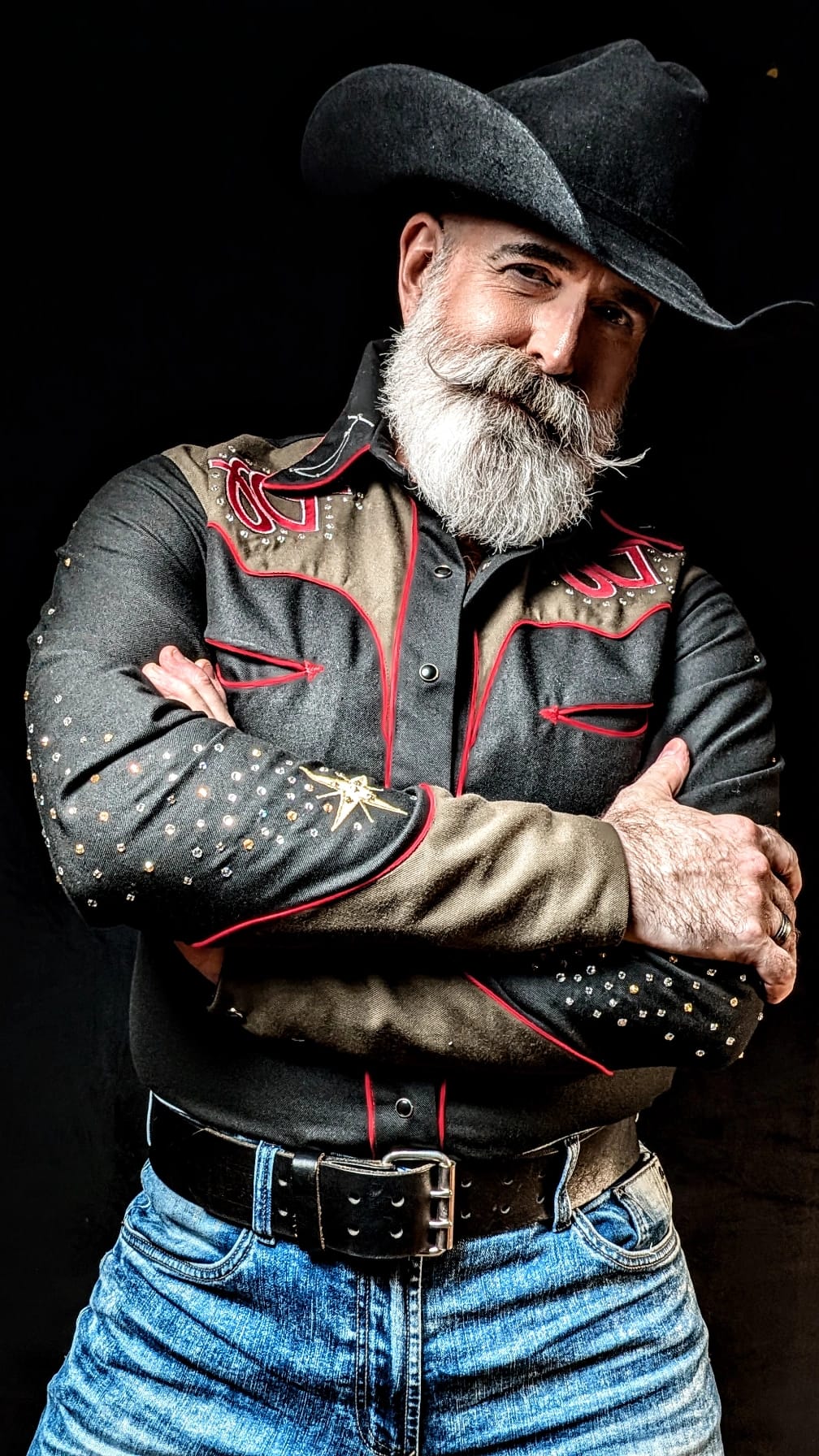
Artist Drake Jensen featured in Don’t Fence Me in: Queer Country
For you, what’s the most memorable personal story from the making of the documentary or the artists you feature?
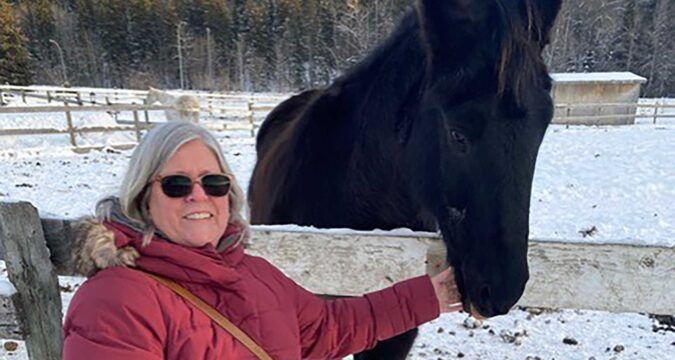
CJV: There were so many wonderful moments. Each artist holds a special place in my heart, and after countless emails and Zoom calls, it was a pleasure to finally meet them in person. My cinematographer Nickolaos Stagias and sound recorder Michael Josselyn and I traveled to Ottawa, Winnipeg, and Edmonton in the winter, and every stop offered something memorable. With Drake, we filmed in a beautiful church with gifted pianist Matthew Larkin. He had never heard Drake’s song “Be,” yet within minutes he created a remarkable accompaniment. The church’s acoustics made the performance even more powerful. We also filmed at the Nepean School of Music, where Amanda had studied, staging her song as though she were recording it in the studio. The experience brought back fond memories for her. In Winnipeg, we filmed Bobby Dove’s interview at the Times Change(d) High & Lonesome Club. It was such a cool venue and added a wonderful layer of atmosphere. I found myself wishing I could return to hear live music there. The next day, while driving to Bobby’s home to record “Don’t Fence Me In,” the hoarfrost covering the trees and fields was spectacular. I had never attended a music recording session before, so watching the recording engineer work was fascinating. Returning to Edmonton was especially meaningful because I had lived there for many years. It was wonderful to reconnect with the city and spend time with Shawnee, her wife, Jen, and their little girl. I ordered my favourite Edmonton war wonton soup for lunch and treated everyone to Chinese food. With Patrick, we filmed B-roll and his song at the Whitemud Equine Learning Centre, capturing the beautiful horses and his natural connection with them.
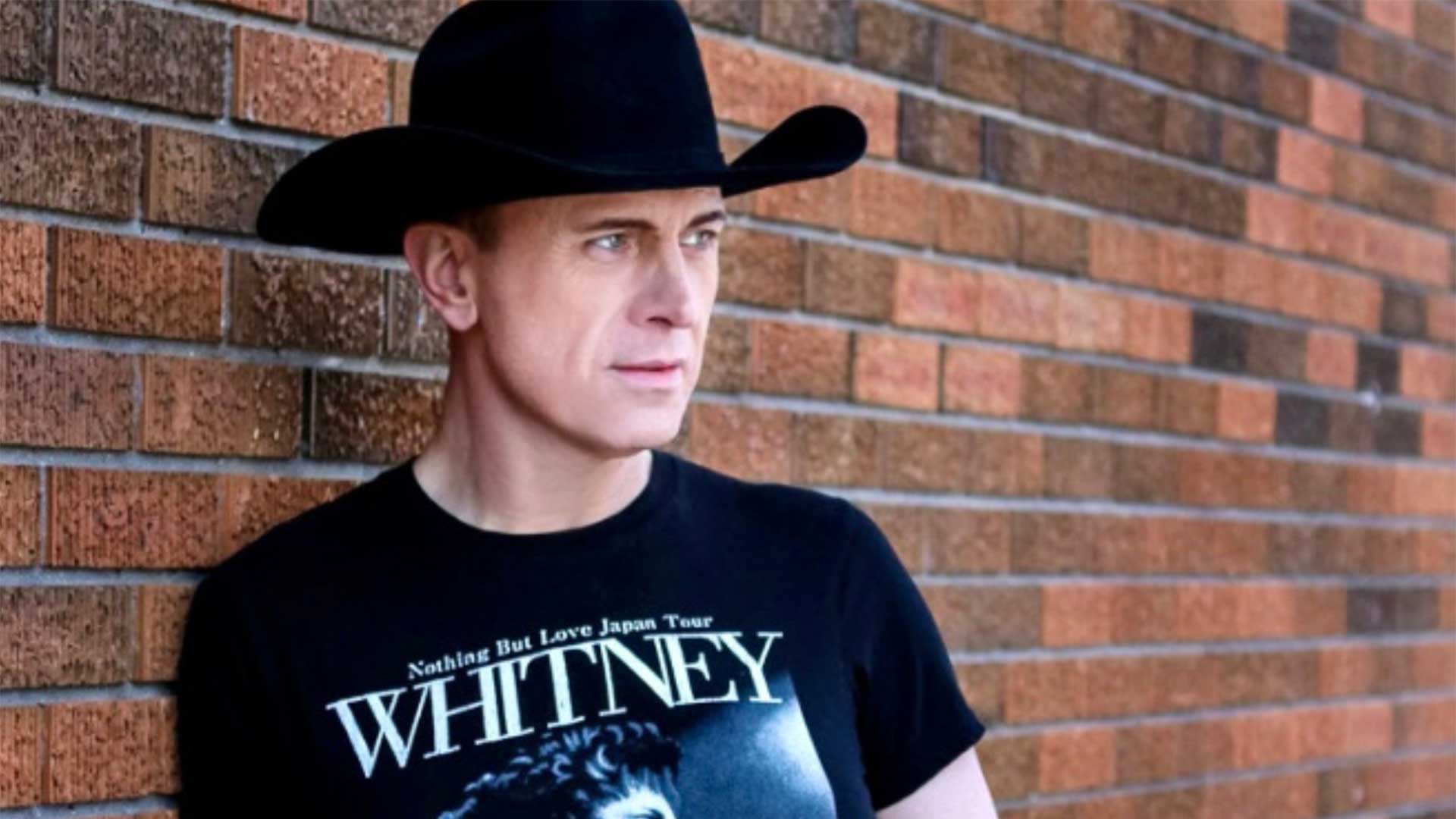
Artist Patrick Masse featured in Don’t Fence Me in: Queer Country
What is one takeaway or idea you want the audience to get after watching the documentary?
CVJ: I think Shawnee sums it up beautifully: the journey is about understanding what it takes to get where you want to be. Breaking into the music industry is difficult enough, and being LGBTQ2S+ can add another layer of challenges. The central message is that we have to dig deep, stay true to ourselves, and keep working toward our dreams and goals. No matter who we are, where we come from, or what we hope to become, success takes hard work, courage, and determination. Just as importantly, we need compassion and empathy for one another, because none of us can do it alone.
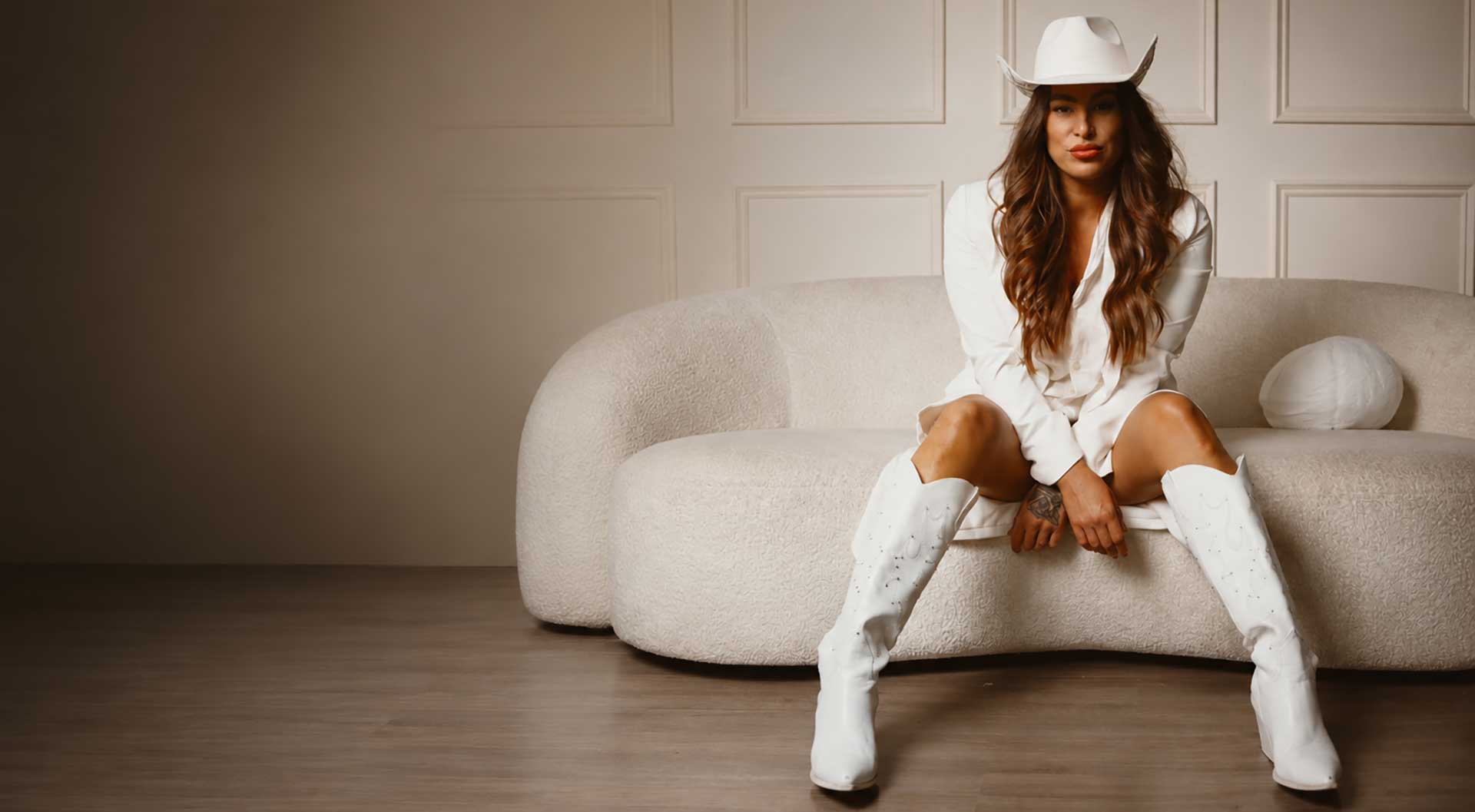
Artist Shawnee Kish featured in Don’t Fence Me in: Queer Country
How has your experience been in working out OutTV as your distributor for so far three documentaries you have made?
CJV: I’ve been fortunate to work with OUTtv on three feature-length documentaries. They have been extremely supportive of my films, and their approach is to give filmmakers the freedom to make the stories they want to tell. Of course, I would welcome larger license fees and bigger production budgets, but I’m proud of the films I’ve been able to make with the funding provided and deeply grateful for the opportunities. Their notes are clear, thoughtful, and helpful in sharpening the story, and they are genuinely pleasant and easy to work with.
I also work with a story editor during the rough-cut and fine-cut stages because fresh eyes and thoughtful notes are invaluable. I may not agree with every suggestion, but each one prompts me to examine my creative decisions. If I feel strongly about a choice, I’ll defend it; more often than not, however, the feedback helps make the film stronger. I’m also fortunate to work with a wonderful editor, Taylor McConnachie, who is both technically skilled and an exceptional storyteller. She works magic with the footage and dialogue selections I give her, bringing the film fully to life.
Is there any documentary subject that you are dying to make?
CJV: There are two documentaries I’m eager to make. The first, which I’ve been developing for the past two years, explores the Deaf and hard-of-hearing communities and their relationship with music. It would feature Deaf music interpreters, hard-of-hearing musicians, and hearing allies working to make music more accessible. German co-producers are already on board, and we’re planning an animated segment about Beethoven’s hearing loss. The second project would explore whether genetics might play a role in LGBTQ+ identities across generations within families. That may be my next pitch to OUTtv!
What’s on your horizon as a filmmaker next?
CJV: OUTtv has commissioned a fourth film called “Love Over the Rainbow”. A warm, character-driven documentary following LGBTQ+ couples at different stages of their relationships. Through their stories, the film will explore how intimacy, commitment, care, and choice shape the partnerships we build and sustain. I’m beginning the casting process and working with members of the LGBTQ+ community to find dynamic couples to interview. I’d love to hear from couples whose relationships have been shaped by meaningful or unexpected experiences and who are open to sharing their stories.
If anyone is interested in auditioning, they can reach me at colette [at] firestarter productions [dot] ca.
Don’t Fence Me In: Queer Country is premiering Oct 17th @ 9:00 pm on OUTtv Network and streaming platforms. It will be screening at the Image+Nation Film Festival LGBTQ2SQUEER MONTREAL which runs from November 19 – 29/26.
On OUTtv streaming, you can also watch the other two films we mentioned and written about in CHOPSO: “Unusually Normal” about three generations of gay women in one family, and “Unlabelled” follows three transgender people and their journey of transforming into their true selves.